Essential checks for a smooth Abu Dhabi day trip from Dubai
What to consider before you go
A day trip from Dubai to Abu Dhabi sounds straightforward. The road is good, the distance is just over an hour, and both cities share the same desert landscape. Yet small details can make the difference between a relaxed outing and a rushed one. Knowing what to check before you set out saves time, avoids surprises, and lets you enjoy the capital at your own pace rather than chasing the clock.
Below is a practical list of points to think through before booking. Each item addresses a common oversight that travellers mention after their trip. None of them are complicated, but together they shape how the day feels.
Travel time and traffic windows
The drive from Dubai to Abu Dhabi takes roughly 75 to 90 minutes without heavy traffic. But peak hours on the E11 highway can add another 30 minutes. Friday mornings and Sunday evenings tend to be busier because of weekend travellers and returning residents. If you plan to reach Abu Dhabi by mid-morning, leaving Dubai before 7 am is a good idea. For a late start, expect to sit in slower traffic. The same applies on the return: aim to leave Abu Dhabi before 4 pm or after 8 pm to avoid the worst of the congestion. A simple check of real-time traffic apps on the day itself can confirm what the roads look like.
What to see and how much time each place needs
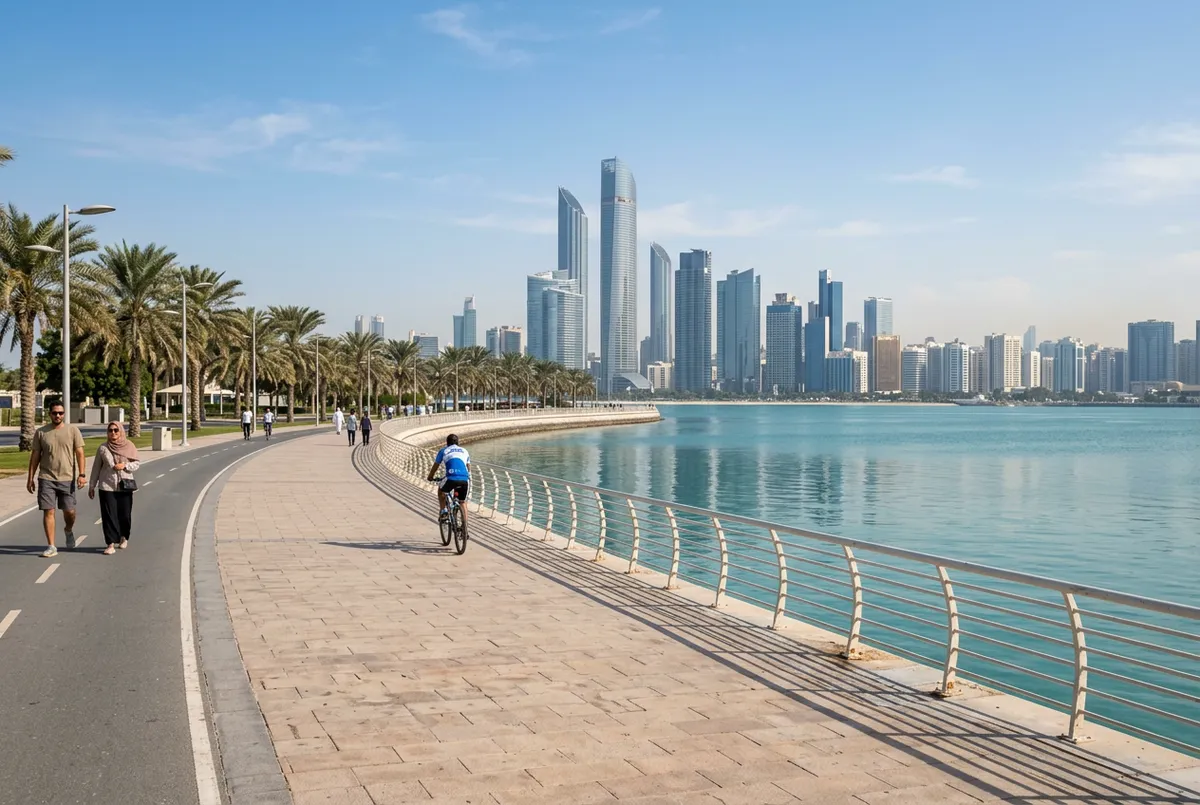
Abu Dhabi has several major attractions, and trying to fit them all into one day can turn the trip into a blur of drive-by photos. The Sheikh Zayed Grand Mosque, for instance, deserves at least an hour and a half if you want to walk through the courtyards and see the interior details. Qasr Al Watan, the presidential palace, takes a similar amount of time. The Louvre Abu Dhabi requires two to three hours for a proper visit. The Corniche, Yas Island attractions, and the heritage areas each have their own character. Rather than packing in every landmark, pick two or three that genuinely interest you and leave breathing room between them. Rushing through a museum defeats the purpose of going.
Opening hours and ticket policies
Opening hours vary by day and season. The Grand Mosque opens from 9 am to 10 pm Saturday to Thursday, but Friday hours are different because of prayers. The Louvre is closed on Mondays. Qasr Al Watan sometimes adjusts its schedule for official events. Before you leave, check the official websites for each place you plan to visit. Some attractions require advance booking, especially on weekends and public holidays. Others allow walk-ins but may have a queue. Knowing which ones need a reservation saves you from standing at a closed gate. A quick look at the Abu Dhabi City Tour official site can give you reliable information on these details without having to search multiple pages.
Dress code and cultural norms
The Grand Mosque enforces a strict dress code. Men must wear long trousers and a shirt with sleeves. Women need to cover their arms, legs, and hair. Loose-fitting clothing is best. The mosque provides abayas and kanduras at the entrance, but queuing for them takes time. If you arrive dressed appropriately, you can walk straight in. Other cultural sites have similar expectations, though less strict. Carrying a light scarf or a shawl is practical; you can use it to cover up quickly if needed. Public behaviour in Abu Dhabi is generally reserved. Loud conversations, public displays of affection, and pointing at people are best avoided. None of this is complicated, but it helps to know beforehand.
Parking and getting around the city
If you drive your own car or a rental, parking in central Abu Dhabi can be tricky. The area around the Corniche and the cultural district has paid parking zones. Rates are reasonable, but you need to pay via the Darb app or at a machine. Many hotels and malls offer free parking, but some attractions like the Louvre have their own paid lots. Taxis are plentiful and metered, and ride-hailing apps work well. For a day trip, combining your own car for the highway leg with taxis within the city can be a good compromise. Alternatively, using a coach or a guided tour removes the parking question entirely. If you prefer to drive, note where you parked and take a photo of the nearest landmark. It sounds basic, but parking areas in large complexes can look identical.

Food and hydration on the road
There are plenty of cafes and restaurants along the route and inside Abu Dhabi. However, the first hour of the drive has few services once you leave the Dubai outskirts. Carry a bottle of water and a snack for the journey. In the city, many attractions have on-site dining, but prices can be higher than in local eateries. If you have dietary preferences, it is worth checking the menu options at your chosen destination. The heat in Abu Dhabi can be intense for much of the year. Dehydration sneaks up quickly when you are moving between air-conditioned spaces. Sip water regularly, even if you do not feel thirsty.
Costs and payment methods
Tolls on the Dubai-Abu Dhabi highway are minimal, but the Salik system applies in Dubai. If you are renting a car, check whether the rental company charges a fee for Salik usage. Parking fees, entry tickets, food, and taxi fares in Abu Dhabi add up. Most places accept cards, but some smaller parking machines and kiosks may be cash-only. Carrying a small amount of dirhams in cash covers that gap. For entry tickets, buying online in advance often saves money and time. The Abu Dhabi City Tour official site offers a central place to compare options and book tickets without visiting multiple vendor pages.
Energy levels and pacing yourself
A day trip means you will be on your feet for several hours. Wear comfortable shoes. Air conditioning in malls and museums can be cold, so a light jacket or a long-sleeve top helps. Plan a short break mid-afternoon to sit down and rest. The tendency is to keep moving to "see everything", but a 20-minute pause with a drink and a quiet view of the Corniche often makes the rest of the day more enjoyable. Pacing yourself also reduces the chance of feeling tired on the drive back. A tired driver on a highway is a risk nobody needs.
Checking the weather forecast
Abu Dhabi can have fog in winter months, which reduces visibility on the highway. Summer temperatures go well above 40 °C, making outdoor walking uncomfortable between noon and 3 pm. Rain is rare but possible in winter. Checking the forecast the evening before your trip lets you adjust your itinerary. On a very hot day, prioritise indoor attractions like the Louvre, Qasr Al Watan, or the Yas Mall, and visit outdoor spots like the Corniche or the mosque early in the morning or late in the afternoon. Foggy mornings mean you should allow extra travel time and drive more cautiously.

None of these checks take more than a few minutes. But each one removes a common frustration that can sour an otherwise enjoyable day. The goal is not to overplan, but to know enough so the day flows naturally. With a little preparation, a day trip from Dubai to Abu Dhabi becomes a relaxed excursion rather than a logistical puzzle.
Ends · THEABUDHABICITYTOURPLUS